A single number
One referral line for bed bug calls in Norman.

Bed bug heat treatment in Norman is an option providers turn to once bed bugs have moved past a single mattress into a bedroom, an apartment or a whole house. According to OSU Extension, professionals heat the house or apartment up to around 130 degrees F, and the provider keeps that heat in place long enough to work into mattresses, box springs, couches and bed frames. Calls to this line are connected with an independent local provider who can inspect first and tell you whether heat suits your home.
One referral line for bed bug calls in Norman.
A provider usually inspects before naming a price.
Calls reach providers who serve Norman.
Search the company in ODAFF's AGLook.
Providers usually scope heat work from what the inspection turns up, so ask what the plan covers before any equipment arrives. Most plans spell out the heat cycle, the checks that follow and any return visit. Encasements or a residual product are often extras, so ask about them.
Each affected room is warmed toward the target temperature and kept there for a period the provider sets. Heaters, circulation fans and temperature probes generally stay put until the readings show that the coolest corners have caught up with the rest of the room.
Mattresses and box springs are usual hiding places. A provider often tips them on edge or pulls them apart so warm air circulates, then checks seams and piping afterward. Ask if encasement covers are included, since they can hold in a survivor.
Beds are usually moved off the walls, closets opened and dressers, nightstands and sofa frames set so air reaches them. Outlet plates and baseboard gaps get a look too, since bed bugs squeeze into tight spots that heat and sprays struggle to reach.
When the rooms cool down, a provider commonly goes back to the spots where bugs were found and sets monitors beneath beds or along baseboards. Ask what paperwork you get afterward, for example which rooms were treated and the temperatures recorded on the day.
A lot of providers book a second visit several weeks on to read the monitors and look over the treated rooms again. Ask when it is scheduled, whether the price covers it and what the plan is if live bugs turn up at that point.
Explain what you have found and hear the next step from a provider near you.
Bed bug heat treatment in Norman means warming an infested room or unit and keeping it hot for several hours, so the heat can get to bugs and eggs in the places they shelter. OSU Extension says professionals bring a house or apartment up to around 130 degrees F. A provider typically relies on electric heaters, fans and temperature probes to confirm the heat gets inside mattresses, box springs, furniture frames and baseboards, rather than only warming the air in the center of the room.
Norman's housing is part of why the choice of method matters. Census figures show 46.7 percent of occupied homes in the city are rented and 22.0 percent of housing units sit in buildings with five or more units, so many households share walls that bed bugs can cross. A spray limited to one apartment can miss eggs behind outlet covers and in bed frames. Ask the provider whether neighboring units need a check, and roughly how long your job is likely to run.
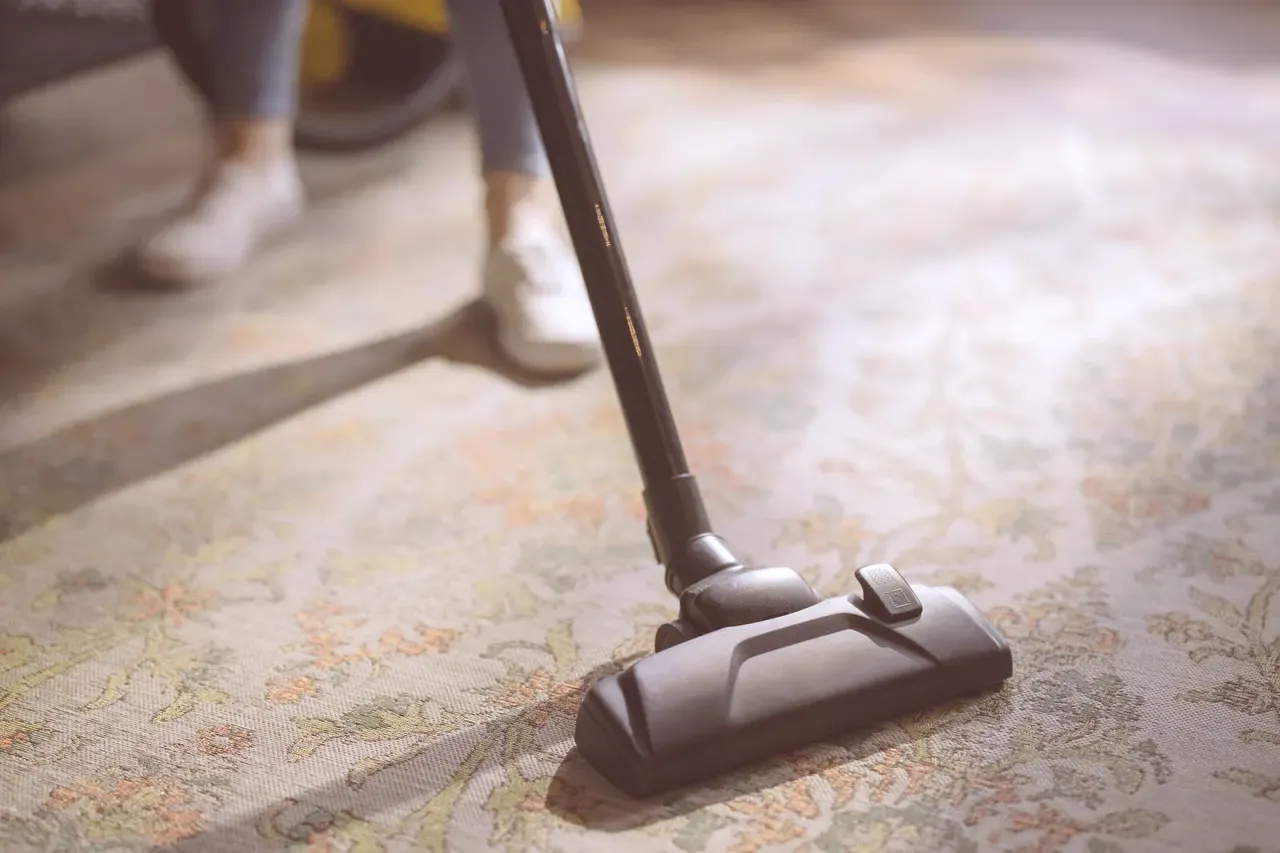
Most jobs begin with an inspection that moves room by room through mattress seams, box springs, bed frames, headboards, nightstands and baseboards. Some providers bring a detection dog or other tools, so ask what yours uses. The inspection should settle the scope of the job before any price is given.
Expect a prep list from the provider: launder and bag clothing, clear the floors, move beds off the walls, and take out heat-sensitive items such as candles, medicines, electronics and aerosols. The provider's own sheet always comes first, so follow it and ask about anything that seems unclear.
Workers usually position electric heaters, fans and remote temperature probes in each room being treated. Doorways might be sealed off and cooler areas noted before the temperature starts to rise. How long setup takes depends on the floor plan, so ask the provider about your home.
Each room is raised toward around 130 degrees F and held there as long as the provider decides, depending on room size and clutter. Remote probes let workers watch corners without opening doors and losing heat. Ask how long the hold will last.
After the rooms cool, providers often recheck the same spots, put out monitors and may recommend encasement covers for mattresses and box springs. Many book a return visit several weeks later to look for new signs. Ask what happens if activity is found at that point.
Heaters matched to the size of the room. Providers set them so warmth spreads evenly and no spot gets hot enough to harm electronics, artwork or finishes.
Used before and during treatment to locate cooler spots behind baseboards, in wall gaps and beneath mattress seams where bed bugs shelter.
Set in the coolest corner of each room so the provider can confirm the target temperature is being held without opening the door.
Some providers bring a trained dog or a thermal camera to the inspection. This site uses neither; ask the provider which tools they rely on.
Commonly used on mattress seams, bed frame joints and sofa piping as a focused add-on to the room heat cycle.
Some providers vacuum cracks, seams and baseboards ahead of heating to pick up debris and live bugs without scattering them around the room.
Set under bed legs and along baseboards once treatment ends. They can trap a survivor and give a clearer picture at the return visit.
The room is brought to around 130 degrees F, the figure OSU Extension gives, and kept there for a time the provider decides. This step is the heart of the method. Probes help show the corners hold that heat, not only the middle of the room.
Before a room is called finished, providers often check walls, furniture and mattress seams for places that stayed cooler. Those areas may get extra heat or a focused steam pass. Ask the provider how they confirm each spot reached temperature.
Encasement covers on the mattress and box spring can seal in any bug that survives. Interceptors beneath the bed legs catch bugs trying to climb back. Used together, they help a household keep watch for activity long after the heat visit.
Many providers follow heat with a residual product on cracks, baseboards and void edges once the cycle ends. OSU Extension notes professional products require application by a licensed applicator. Ask which product will be applied, and where.

A provider can inspect the apartment, confirm whether bugs are active and explain whether heat is a fit. In a building with several units, the owner or manager usually has to be part of the plan, because neighboring units may need checking. Put your report to the landlord in writing, keep dates and photos, and follow the prep sheet you receive.
The provider might heat the affected side and inspect the shared wall from both homes. Ask how they confirm heat got into the wall void where bugs move. Monitors set along that wall can show whether activity keeps going on either side of it.
A provider may heat the bedroom with the furniture inside, then recommend interceptors under the legs and encasements on the mattress and box spring. Whether you can keep the piece is for the provider to judge after looking at it. Interceptors give an early warning if activity comes back.
A provider can look over the room or workstation, treat the affected area and check the spaces beside it. Ask about timing that keeps guests and staff away while the work runs. Hotels should know that the state lodging rule, OAC 310:285, counts bed bugs as an infestation.
Norman's housing affects how a heat job gets planned. The median home in the city was built in 1988; 37.7 percent of units date from before 1980 and 17.2 percent from 2010 or later, so a provider may see an older house in Old Silk Stocking one day and a newer subdivision the next. In rentals, which make up 46.7 percent of occupied homes, shared walls and utility chases give bed bugs a route between units, so providers often ask about the units next door and may put monitors in hallways. With 32,639 students at the University of Oklahoma's Norman campus in fall 2025, move-in and move-out weeks send a lot of furniture and luggage through rental housing. Bed bugs are an indoor pest all year, so there is no off season to wait out. Calls to this line are connected with an independent local provider, who sets the inspection time.
Old Silk Stocking, ZIP 73069, north of Main and west of Porter, with homes built mainly 1890 to 1975. Ask how older rooms are heated evenly.
First Courthouse in ZIP 73071, from Robinson to Gray and Porter to Carter, near Norman Regional Hospital. Clearing floors and closets first helps heat move.
In the Norman part of 73072, with Woodland Addition and Crossroads West. Ask after inspection which rooms need heat.
Wellington Lake, Vista Springs Estates and Flaming Oaks Estates in east Norman, ZIP 73026. Ask about scheduling if more than one home is affected.
Bed bugs follow people, not the weather, so they stay active indoors in every month. OSU Extension says they hide in suitcases, backpacks and clothing, which is how they spread on trips and moves.
Pipe and wiring chases link one unit to the next. Providers may check them and place hallway monitors so bugs cannot wander back into a freshly treated unit.
Full closets and crowded floors block air movement and slow down how fast some rooms heat up. Providers still take readings in the coolest spots before they call a room finished.
Used couches, mattresses and dressers often change hands when leases turn over. Look items over before they come inside, and mention recent pieces or moves to the provider when you call.
A renter sees live bugs on two mattresses and along the baseboards. The landlord has sprayed twice, yet fresh bites show up again a few weeks later. The apartment shares a wall with the next unit, so the people next door could be affected as well.
A provider would normally inspect first, then heat the bedrooms and living room to around 130 degrees F, confirm the baseboard gaps reached that temperature and leave monitors behind. The return visit shows whether any activity is left.
Afterward: Encasements on the mattresses and box springs, interceptors beneath the bed legs, and monitor checks on the schedule the provider recommends.
Several people in one family have bites, and bugs turn up in a used dresser. There is a baby in the house, and the parents want as little chemical use as possible. Signs appear in two bedrooms and a hall closet.
A provider might heat both bedrooms and the closet, treat the dresser where it stands and take readings in the coolest corners. Bring up the baby on the call so the provider can say which products, if any, will be used.
Afterward: Monitors in each bedroom, interceptors under the crib and bed legs, and a return inspection on the date the provider sets.
Two units in a small rental building report bites within one week. The owner thinks bugs are traveling through a plumbing chase the units share. A spray-only treatment tried earlier did not end the complaints.
A provider may treat both affected units in one visit and look over the rest. Ask how they confirm heat reached the shared chase. The return inspection shows whether the new complaints are likely to end.
Afterward: Monitors in every unit and the shared hallway, along with mattress encasements where the provider suggests them.
Bed bugs seldom stay put in one room; they move along seams, outlets and shared walls. These are situations Norman callers often describe, and how heat tends to fit in.
When eggs survive a spray, they hatch into a new round of bugs, which is one reason many homes need more than one visit. Heat is meant to reach eggs as well as adults when a room stays near 130 degrees F for long enough. Providers often add a residual and a return check, so ask what your plan covers.
Treating one apartment can drive bugs into the next one through shared walls and plumbing chases. In Norman, where 22.0 percent of housing units are in buildings of five or more units, this is a common concern. Providers often check adjoining units and may put monitors in hallways and shared spaces.
A secondhand sofa or dresser can carry bugs into a home that had none. Spraying fabric may miss the frame interior where bugs settle. Heat works through upholstery and frame gaps. Some providers treat the piece in place or in a heat chamber, then set interceptors under its legs.
Asthma, allergies or a new baby make some families hesitant about sprays, and waiting gives bed bugs time to spread. Heat can cut down how much product is needed, although many providers still apply a residual. Tell the provider about any health concerns so they can explain what gets applied and when you can go back in.
Priced by the provider after inspecting your home
No prices are given on this site. The provider decides the cost after seeing the home, and it mostly turns on how many rooms are involved, the amount of clutter and furniture, how long the bugs have been there and whether neighboring units are included. A heat visit is one larger job, while a chemical plan often takes several visits, so ask the provider to compare the full total for each approach. Before you agree, ask what is covered, including any return visits.
Ask what the price includes: the inspection, the heat cycle, the checks afterward and any return visit. Also ask whether encasements or a residual product cost extra, so you know the full total.
Every treated room needs its own heaters, probes and hold time. A small apartment is a shorter job than a large house with several bedrooms and a bonus room, which takes more equipment and more hours on site.
Heavy clutter blocks air and leaves cool pockets. When closets, floors and the space under beds are packed, the job may run longer or call for more heaters. Working through the prep sheet helps the day go smoothly.
In duplexes and apartment buildings, treating just the affected unit can push bugs to the neighbors. Adding nearby units widens the job, so ask the provider and the property owner how that is decided.
Mattresses, box springs and upholstered pieces must be arranged so heat passes through them. More pieces add setup and checking time. Encasement covers are often charged by the piece.
Apartments on upper floors and buildings with parking far from the door add time to carry in heaters and cords. Ask the provider if access changes the price, so the day holds no surprises.
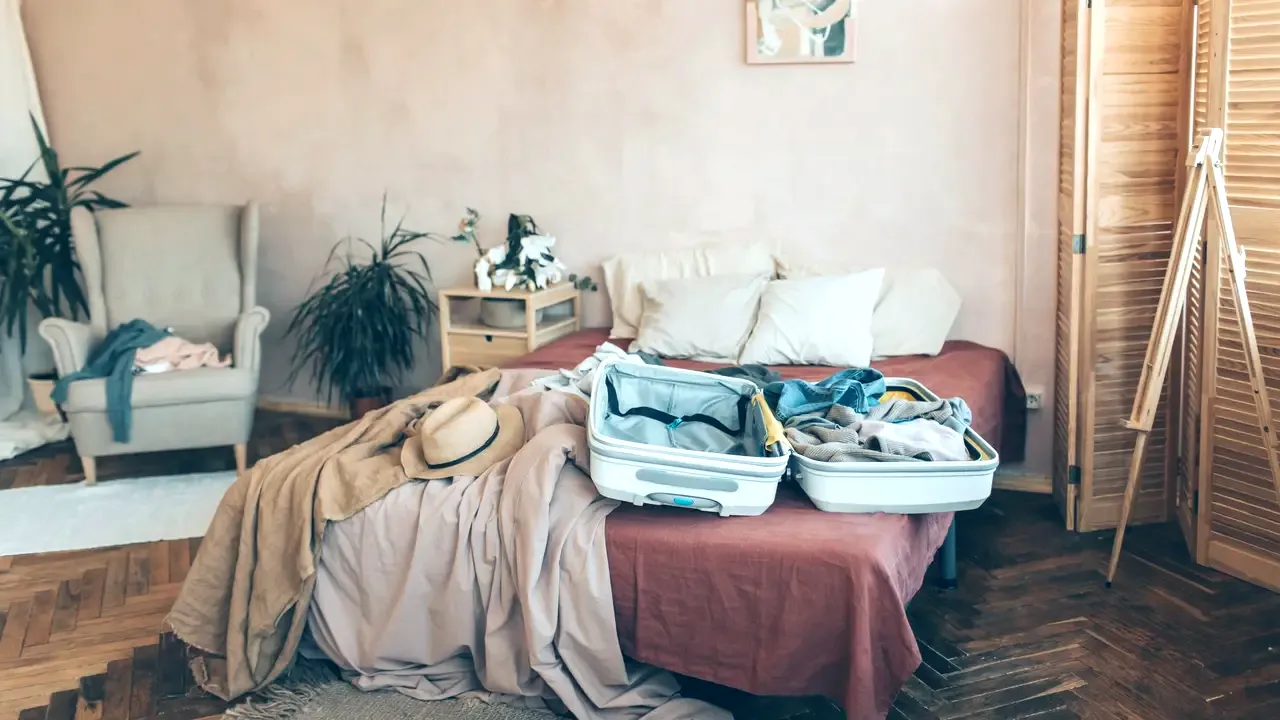
This site is a referral service, not a pest control company. Before work starts, you can check a company's Oklahoma pesticide business license in the Oklahoma Department of Agriculture, Food and Forestry's AGLook search. OSU Extension points out that professional bed bug products require application by a licensed applicator and that a combination of methods is a must. For an older house in Old Silk Stocking or an apartment near First Courthouse, ask the provider how they would plan heat and size the equipment.

A parent finds bugs on a child's mattress weeks after an earlier spray and is unsure what comes next. A provider would usually inspect both bedrooms, explain the scope and the price, and describe how heat would be set up on that floor. The caller should expect a prep sheet and a talk about a return visit.
A landlord who owns a small building hears about bugs in two units. The provider may propose treating both units in one visit and inspecting the rest. The landlord should ask how heat inside the shared wall is confirmed and how tenants will be told what to prepare.
A renter with asthma in a one-bedroom apartment wants as few chemicals as possible. The provider can say whether heat suits the unit, which product if any follows it, and when the apartment can be used again. The renter should notify the landlord in writing.
The heat itself leaves nothing behind, but treated rooms become far too hot for animals. Providers generally ask you to take pets, houseplants and fish tanks out for the whole cycle, since the room is brought to around 130 degrees F. If a residual product goes down afterward, ask what it was and when pets can come back in. Follow the timing the provider gives you.
That depends on how many rooms are treated, how cluttered they are and how much furniture is in them. Plenty of heat jobs fit in one working day, and bigger homes take longer. The heat-and-hold stage is the center of the job, with setup and cooling on either side. Ask the provider for a time window when you book.
Heat is chosen because it can reach eggs as well as adults if the temperature holds long enough. OSU Extension says professionals heat a home to around 130 degrees F, and it also says a combination of methods is a must. For that reason many providers add a residual product and a return visit.
Prices are not given on this site. After inspecting, the provider sets the cost based on the number of rooms, clutter, furniture, how long the problem has gone on and whether adjacent units are part of it. Ask what the price covers, return visits included, so the total is clear up front.
Question not listed here? Call the referral line and a local provider can talk through timing and next steps.
Ask a providerAhead of any heat job, a provider generally inspects mattress seams, box springs, bed frames and wall gaps. Some bring detection dogs, so ask. What the inspection finds sets the scope and price of treatment.
View service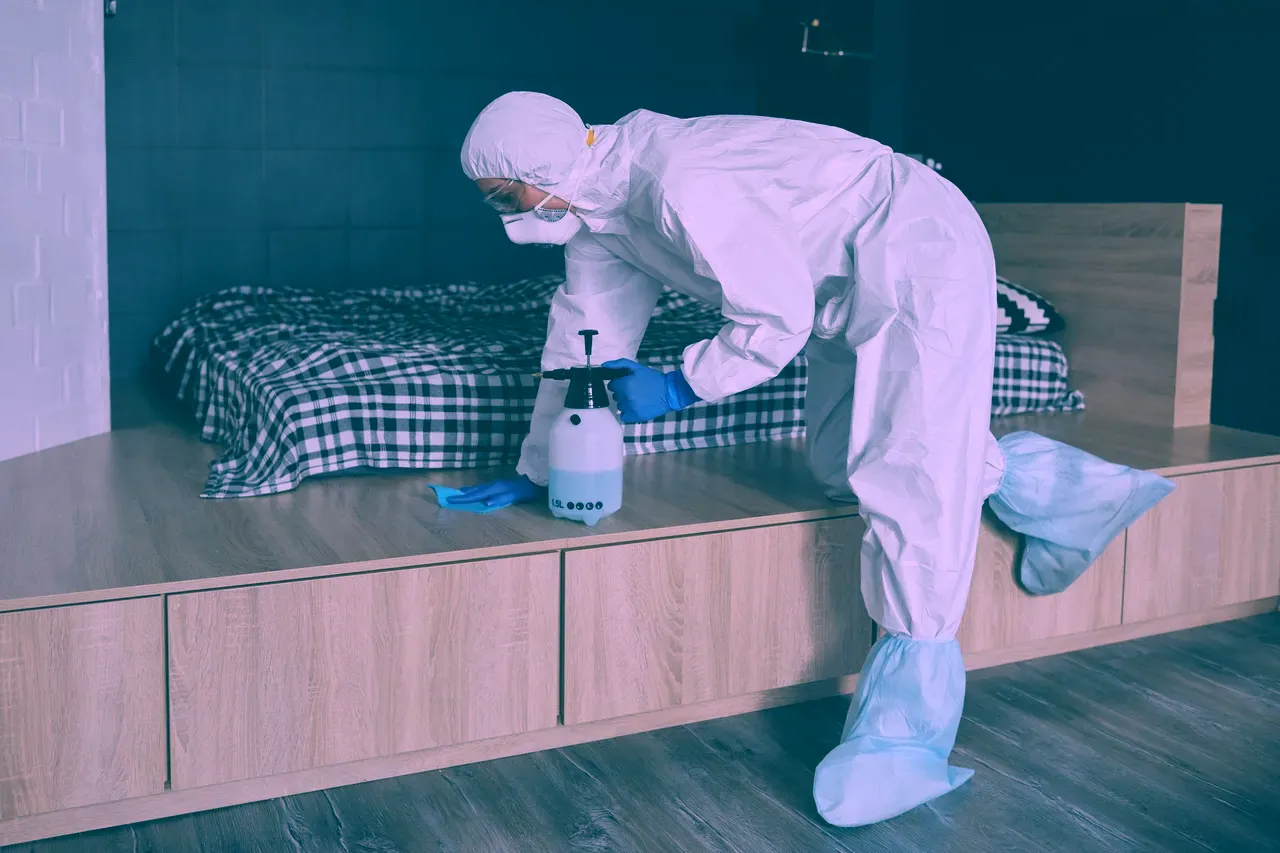
For light cases, or as a step after heat, many providers apply residual products to cracks, baseboards and void edges. Plenty of Norman jobs combine heat with a residual, the mix of methods OSU Extension backs.
View service
Apartment buildings around Old Silk Stocking, First Courthouse and the rest of Norman need coordinated treatment, so bugs do not cross back through shared walls. Providers often treat the starting unit, check the units beside it and place monitors.
View service
Several weeks after heat treatment, many providers return to recheck the same spots and read the monitors. Ask what they do if live bugs turn up. That visit helps show whether the infestation has ended.
View serviceA call to the number on this site passes through a call-tracking service, may be recorded, and is then connected to an independent local provider serving Norman. Calls are connected 6 a.m. to midnight Central Time (7 a.m. to 1 a.m. during daylight saving time). The provider schedules the inspection and sets the price.