A single number
One referral line for bed bug calls in Norman.

Apartment bed bug treatment in Norman makes the most sense when the plan covers the neighbors too, since bed bugs in one apartment rarely respect the lease line. This referral line puts renters, owners, and managers across Norman, OK in touch with independent local providers who work on single apartments, duplexes, and larger complexes. Norman is a renter-heavy city: 46.7 percent of occupied homes are rented, so shared walls and shared decisions are part of daily life.
One referral line for bed bug calls in Norman.
A provider usually inspects before naming a price.
Calls reach providers who serve Norman.
Search the company in ODAFF's AGLook.
A typical apartment job has three parts: an inspection, the treatment itself, and follow-up checks. Each provider decides what the price covers and what is billed separately, so ask before you agree. Below is what apartment bed bug treatment in Norman often involves.
A provider usually looks at the reported unit and often the apartments beside, above, and below it, checking mattress seams, box springs, headboards, outlet covers, and baseboards. Some bring detection dogs or thermal cameras; ask which.
What the inspection turns up decides the method. Heat can reach eggs, nymphs, and adults in a single session. Residual products keep acting on the surfaces they touch. OSU Extension puts it plainly: "a combination of methods is a must."
Zippered encasements on each treated bed are a common recommendation. Any bugs still inside are sealed in, and the smooth cover gives new ones fewer places to hide. Ask whether the covers come with the job or are priced as an extra.
Interceptor cups set under bed legs and monitors placed along baseboards catch survivors and give a running picture of whether treatment is working. Ask the provider when these will be checked and what the next step is if bugs appear.
Request a written inspection report and a treatment record for every unit involved. Dated paperwork protects renters and managers alike. Retreatment terms and any warranty belong to the provider, so have them written down before the first visit.
Explain what you have found and hear the next step from a provider near you.
Apartment bed bug treatment in Norman means pest control built for shared housing: finding, treating, and then watching for bed bugs in apartments, duplexes, fourplexes, and rented houses, including the mattresses, box springs, furniture, and gaps around walls and outlets where they hide. The provider you are connected with typically begins by inspecting the reported unit and the ones around it, then picks heat, steam, residual products, or a mix based on how far the bugs have traveled. Interceptors and monitors set out afterward show whether activity has stopped. Professional bed bug products must be applied by a licensed applicator.
In Norman, 22.0 percent of housing units are in buildings with five or more units. Where walls are shared, bed bugs can creep between apartments through outlet boxes, wall gaps, and plumbing openings, and they also travel in suitcases, backpacks, clothing, and used furniture. Many calls from Norman tenants follow a familiar pattern: one resident spots bites or dark specks, and a neighbor reports the same weeks later. Involving the landlord or manager and getting an early inspection keeps one unit's problem from turning into a multi-unit bed bug control job.
When you call this line, you are connected with an independent local provider. Keep your address or ZIP handy, along with how many units are affected, what residents have noticed, and roughly when the bites began. The provider uses those details to decide between a one-unit visit and a broader inspection, and sets the appointment.
The provider goes through the reported apartment and usually the ones next to it, checking mattress seams, box springs, headboards, outlet covers, and baseboards. Some use detection dogs or thermal cameras; ask which. Renters can help by sharing dated notes and photos. How long it takes depends on how many units are checked.
Pricing is worked out by unit count and method, and you can ask to see it in writing before anything begins. A heat session and a chemical visit take different lengths of time, and chemical work also needs drying time. In a multi-unit building, the owner or manager normally signs off on the plan.
Residents handle clothing, bedding, and belongings as the provider's prep sheet directs. Typical work includes treating mattresses and box springs, steaming furniture and baseboards, applying residual sprays and dusts, and fitting beds with encasements. On a heat job, the room is raised to a lethal temperature and kept there.
Many providers come back to look at interceptors and monitors once treatment is done. If live bed bugs appear, ask how the provider handles retreatment. Once follow-up finds no activity, ask for a written note saying so and keep it on file.

Certain providers bring trained dogs to flag apartments that may have live bed bugs or eggs. Ask whether a dog is part of the inspection and whether each alert is checked by eye.
Certain providers carry thermal cameras on inspections or heat jobs, mostly to watch temperatures inside furniture and walls. Ask how activity is confirmed before a room is treated.
Heaters and fans push a room up to a temperature bed bugs cannot survive. OSU Extension says professional heat work takes a home or apartment up to around 130 degrees F.
Steam kills bed bugs and their eggs on contact in mattress seams, box springs, and furniture joints. Providers often pair it with residual products to reach places a spray handles poorly.
A HEPA vacuum pulls live bugs, cast skins, and eggs out of carpet and crevices. Providers often vacuum first, then seal the bag and take it out of the unit right away.
Licensed applicators put EPA-registered products on baseboards, cracks, and furniture. Professional products need a licensed applicator, and residual types keep acting on treated surfaces.
Interceptors under bed legs and monitors along baseboards trap survivors and help show whether treatment worked. Ask when the provider will check them.
The provider heats the entire room to a lethal temperature and keeps it there for several hours. A single heat session can kill bed bugs and their eggs, so many providers recommend it for heavier infestations. Ask how long residents should stay away.
Licensed applicators place EPA-registered residual sprays and dusts along baseboards, in cracks, and in wall gaps. These keep working after they are applied, reaching bugs that hatch later or walk across treated spots. The state health department's fact sheet says only professionals should apply pesticides for bed bugs.
Steam kills bed bugs and eggs on contact in mattress seams and furniture joints. A HEPA vacuum lifts out live bugs and debris without scattering them. Providers often do both before applying residual products, so the treatment lands on clean surfaces.
Zippered mattress and box spring encasements seal in any remaining bed bugs and keep new ones from moving inside. Interceptors go under bed legs and monitors along baseboards, so the provider, the renter, and the manager can all see whether treatment did its job.

The renter should tell the landlord or manager in writing and attach dated notes and photos. In Norman, Code Compliance also takes interior property maintenance complaints. A provider usually inspects that apartment and the ones beside, above, and below it. If bugs are confirmed, the provider walks through the options, the prep sheet, and the follow-up schedule. Timing and results vary, so ask first.
An empty unit is usually easier to treat before the next renter arrives, because there is less to pack and prepare. In a college town with heavy summer and winter turnover, many providers suggest heat for vacant units and a look at the neighbors in case bugs spread. Keep the written records in the unit file before the new lease begins.
That pattern often calls for a building-wide approach: checking every nearby apartment and treating the affected group at the same time. Providers commonly mix heat and residual methods and leave monitors in each treated unit. Ask how the building will be priced, and request a written record per unit.
Begin with an inspection of the whole property, then build a plan unit by unit and floor by floor. The provider can explain how to work around current residents and what paperwork to keep. Before hiring anyone, look up the company's Oklahoma pesticide license in the ODAFF AGLook search.
Norman has 129,672 residents and 56,665 housing units. Nearly half of occupied homes, 46.7 percent, are rented, and 22.0 percent of units sit in buildings with five or more units. The median home was built in 1988, and 37.7 percent of units date from before 1980. The University of Oklahoma reported 32,639 students in fall 2025, so leases start and end in large waves, and furniture, luggage, and boxes move between apartments every year. Because bed bugs can pass through shared walls and outlets, providers usually check neighboring units first. Oklahoma's Residential Landlord and Tenant Act, 41 O.S. section 118, requires a landlord to keep a unit "in a fit and habitable condition." Norman adopted the 2018 International Property Maintenance Code in Code section 16-601, and its section 309 covers pest elimination. Norman Code Compliance takes interior complaints and sets up an inspection with the occupant. This site does not give legal advice.
Old Silk Stocking, ZIP 73069, with homes built mainly between 1890 and 1975. If you rent in an older house or small building, mention any shared walls.
First Courthouse, ZIP 73071, near Norman Regional Hospital. For a rented house or duplex, the provider usually starts in bedrooms and checks used furniture.
ZIP 73019 is the University of Oklahoma campus. Renters in nearby apartments can call the same line around move-in and move-out; mention the building type and unit count.
In the Norman part of 73072. Calls from addresses inside city limits are handled the same way; tell the provider your addition name and building type.
Bed bugs can reach the next apartment without ever using the hallway. Providers commonly check adjoining units and treat wall gaps to close those paths.
With 32,639 OU students in fall 2025, many leases turn over together. Bed bugs ride in suitcases, backpacks, and clothing, so inspect vacant units early.
Bed bugs live indoors alongside people, so calls come in all year. No season makes them go away, and delay gives them time to spread.
Common spaces can carry bed bugs into apartments that had none. Ask the provider to include them in the inspection and treatment of any building-wide plan.
A few apartments report bed bugs, and the owner has already tried store-bought sprays twice in one. Bites continue, and another resident reports them weeks later.
A provider usually inspects all nearby units, treats those with confirmed activity, and books follow-up checks. Skip foggers, which do not reach where bed bugs hide.
Afterward: Interceptors under beds and monitors in common rooms help catch new activity early. The owner keeps dated records and calls the provider if bugs show up again.
A renter discovers bed bugs in a used mattress and box spring. The other half of the duplex has no bites so far, but the two sides share a wall and plumbing.
The provider typically inspects both halves and may treat both, based on what turns up. Each household follows the prep sheet, and later checks show whether activity has ended.
Afterward: Encasements on both beds and interceptors under every bed leg make new activity easier to notice. The owner asks residents to check used furniture before carrying it inside.
Bed bugs keep returning to the same group of apartments. Past treatments handled one unit at a time, and fresh reports surface every few weeks.
A broader inspection often turns up bugs in apartments no one had reported. The provider may treat the whole group at once and leave monitors in every unit, then compare the findings at each follow-up before treating the block as clear.
Afterward: The manager checks interceptors on a set schedule and books regular inspections. Units in turnover get a quick check before the next residents arrive.
Bed bugs rarely stay in one apartment. They can travel through wall gaps, laundry rooms, and shared furniture. Below are common problems and how providers tend to handle them.
A single untreated apartment can keep sending bugs to its neighbors, raising treatment costs and straining things between renters and owners. Providers commonly inspect and treat neighboring units on the first visit and place dusts in wall gaps and around outlets. That deals with the movement rather than chasing bugs door to door.
Store-bought sprays tend to hit only the bugs in plain view, while eggs and hidden adults survive. The state health department's fact sheet says only professionals should apply pesticides for bed bugs. Skip foggers, which do not reach the hiding spots. Providers typically use heat or steam to reach every life stage, add residual products, and follow up.
One apartment left untreated can serve as a source that reinfests the units around it. Providers generally hand out prep sheets and coordinate entry times with managers. Owners and renters should each keep dated, written records of notices and access attempts. The 2018 IPMC section 309 text addresses owner and occupant duties; this site offers no legal advice.
Common spaces can bring bed bugs into apartments that had none, turning a small problem into a building-wide one. Providers often check laundry rooms, hallways, and lobby furniture and treat them with steam and residual products. Under IPMC 309, shared areas of multi-unit buildings fall to the owner.
Priced after inspection and set by each provider
The provider you are connected with sets the cost of apartment bed bug treatment in Norman, usually after inspecting, and this site does not give prices. The method, the number of apartments, and how widely bed bugs have spread all shape the total. A whole-building job is often priced differently than a single unit, since several apartments are inspected and treated in the same visit. Get a written quote before work begins, and ask which follow-up visits and retreatment terms are part of it.
When you compare quotes, check what each one includes: neighboring-unit inspections, all life stages, encasements, monitors, and follow-up. A smaller number that covers only one apartment can cost more if the bugs come back.
One apartment and ten apartments are not priced the same way. When a group of units is inspected and treated together, the cost per unit may shift. Ask how the provider quotes a full building once the inspection is done.
Heat generally takes more time per unit than chemical work and needs more equipment, which shows up in the cost. Chemical treatment can take more than one visit. Heavy infestations often get both, so ask the provider to break down each line of the quote.
A few bugs in one bedroom take less work than an infestation spread through several rooms and the furniture. Serious cases can need a second round, which changes the total.
Buildings with shared walls and plumbing openings may take longer, since providers often have to treat those gaps. Clutter and apartment size also affect how long each visit runs.
Ask whether follow-up checks are part of the price and how many there will be. Retreatment terms come from the provider, not this site, so get them written down first.

ODAFF licenses pesticide applicators in Oklahoma, and OSU Extension notes that professional bed bug products "require application by a licensed applicator." Look a company up in ODAFF's AGLook search. For rentals, 41 O.S. section 118 requires a landlord to keep the dwelling unit and premises "in a fit and habitable condition." Norman adopted the 2018 International Property Maintenance Code in Code section 16-601; its section 309 sets out pest elimination duties for owners and occupants. This site draws no legal conclusions. For hotels, OSDH rule OAC 310:285 counts bed bugs as an infestation.

An owner of a few rental units in an older part of town hears about bed bugs from two different residents. A provider usually inspects each unit, treats those with confirmed activity, and sets follow-up checks. The owner should request a written report per unit and keep every tenant notice on file. Results depend on access and how well units are prepared.
A renter spots bed bugs on a mattress and worries about the people next door. The renter writes to the landlord, keeps dated notes and photos, and follows the prep sheet when it arrives. The provider decides whether neighboring units should also be inspected. How soon the renter can return depends on the method used.
A renter in one section of a bigger complex keeps hearing about new reports from neighbors. A broader inspection may find bugs in apartments nobody mentioned. The provider can treat that section together and put monitors in each unit. The renter should ask the manager how follow-up visits are scheduled and what records come with them.
This site cannot answer that as a legal question. 41 O.S. section 118 requires a landlord to keep the unit fit and habitable. Norman's adopted 2018 IPMC, section 309, places pest elimination before renting and in shared areas on the owner, and asks occupants to keep their unit pest-free unless a structural defect caused it. The lease and facts matter, so report in writing.
A provider usually inspects the reported apartment and the ones around it, then treats with heat, steam, residual sprays, and dusts as needed. OSU Extension says professional heat brings a home up to around 130 degrees F and that a combination of methods is a must. Encasements, interceptors, and follow-up visits usually come next.
Yes, though providers usually prefer to check the apartments beside, above, and below it first. Skipping the neighbors is a frequent reason bed bugs return. If the inspection finds activity in that apartment alone, treating just that unit may be enough. If nearby units show signs, the provider will usually recommend adding them to the plan.
That depends on the method and how many apartments are involved. Chemical work needs application time plus drying time, while a heat session lasts longer because the room is held at temperature. Whole-building jobs can stretch across several days. Ask the provider how long residents must be out and when follow-up visits are planned.
Question not listed here? Call the referral line and a local provider can talk through timing and next steps.
Ask a provider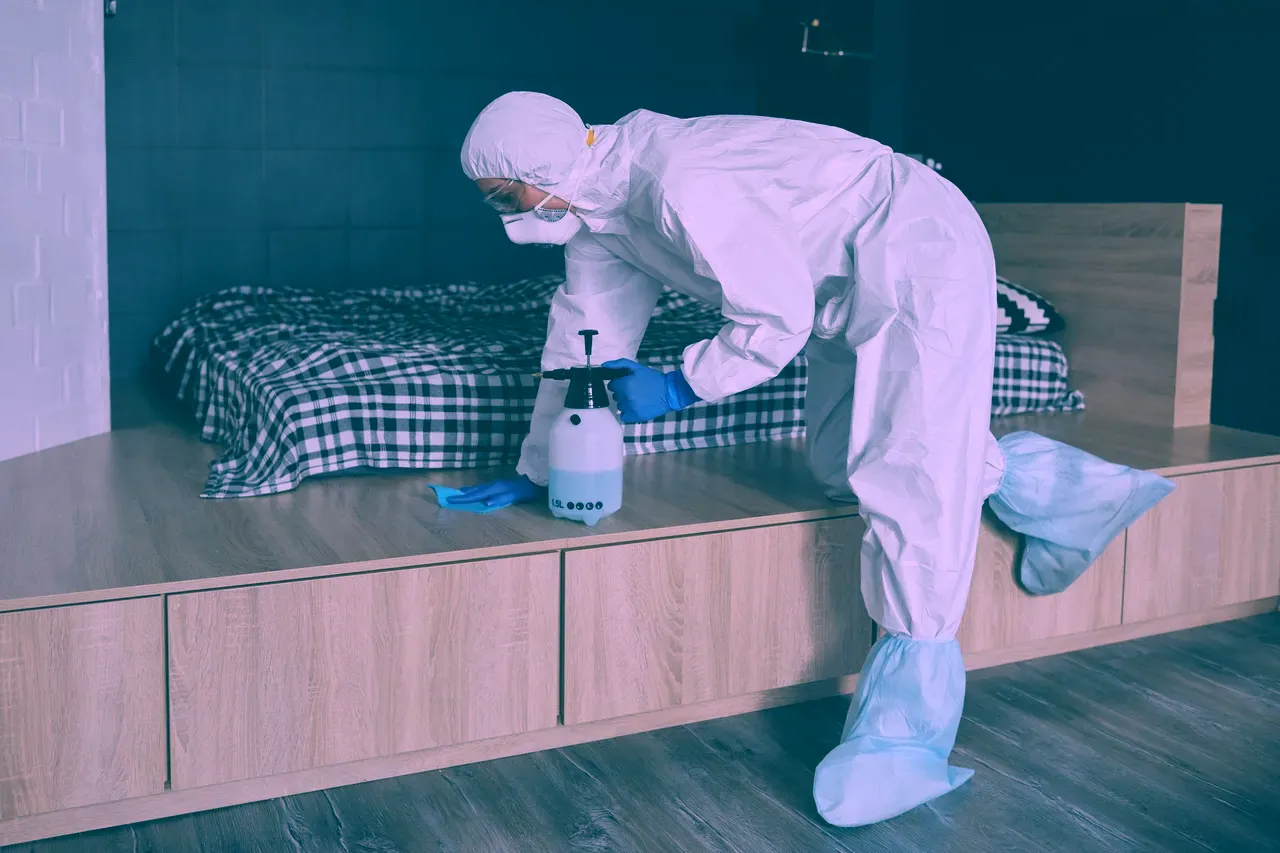
Apartment treatment begins with an inspection. A provider usually checks mattress seams, box springs, outlet covers, and baseboards in each unit, and some bring detection dogs or thermal cameras. Ask for a written report that marks exactly where bed bugs were found.
View service
According to OSU Extension, professional heat work takes a home or apartment up to around 130 degrees F. A single heat session can kill bed bugs along with their eggs, which helps in heavier cases. Ask the provider how long residents must stay out and how to prepare.
View service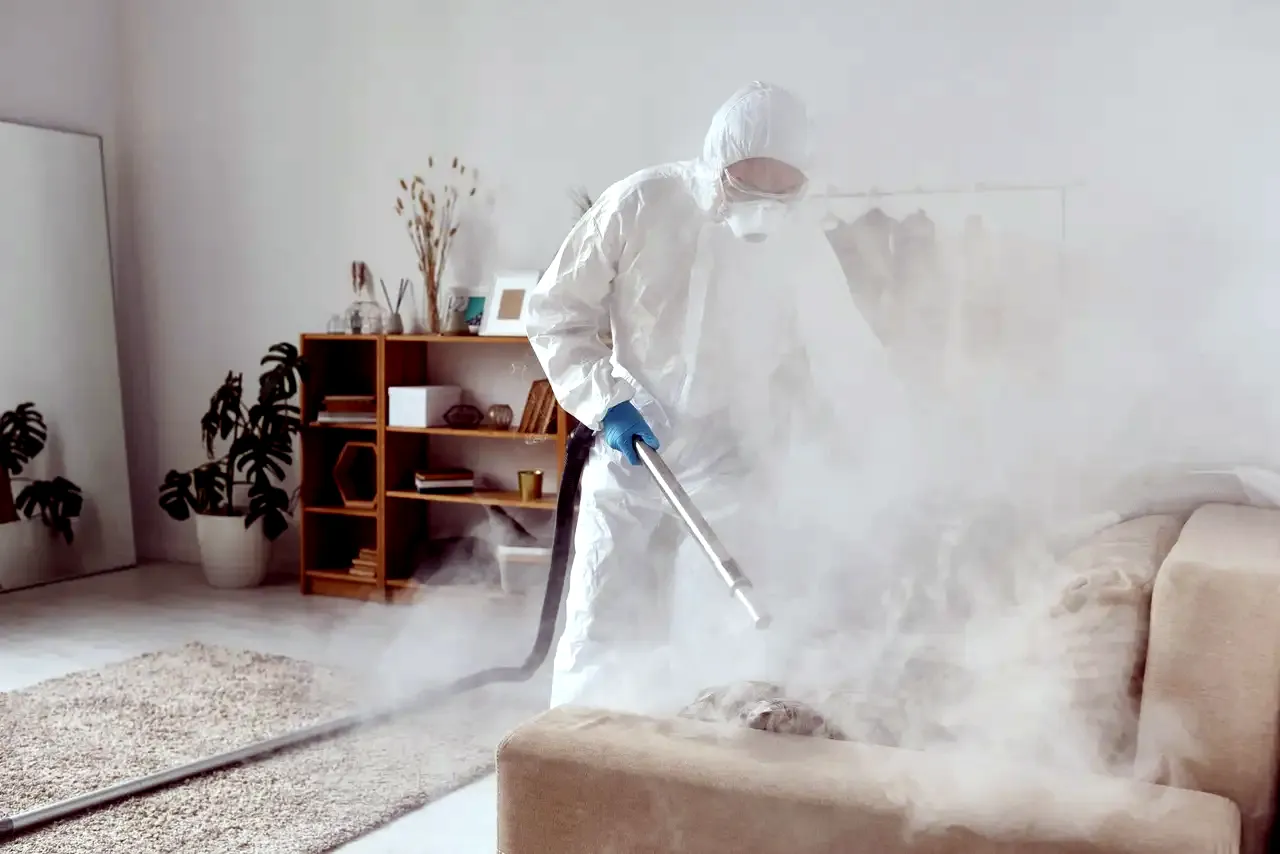
Licensed applicators put EPA-registered products on baseboards, cracks, and furniture, and residual products keep working after they are applied. Chemical treatment often fits light to moderate cases and is paired with heat for heavier ones. Only professionals should apply pesticides for bed bugs.
View serviceMany providers come back after treatment to check monitors and interceptors. If live bed bugs appear, ask how the provider handles retreatment. Follow-up visits are how you find out whether the infestation has ended or was only set back for a few weeks.
View serviceA call to the number on this site passes through a call-tracking service, may be recorded, and is then connected to an independent local provider serving Norman. Calls are connected 6 a.m. to midnight Central Time (7 a.m. to 1 a.m. during daylight saving time). The provider schedules the inspection and sets the price.